Source Rexroth Hydraulic CNC Press Brake for Metal Fabrication
Find 30 rexroth hydraulic cnc press brake models from Chinese manufacturers. Compare specifications including Delem and E21 controllers, Siemens motors, and CE certification. Evaluate options for stainless steel, aluminum, and carbon steel bending applications; compare the available evidence and request quotations based on your requirements.
Key considerations
Products List




Comprehensive Sourcing Guide
Rexroth Hydraulic CNC Press Brake Sourcing Guide
Buyers evaluating this equipment must first distinguish between machines featuring the specific Bosch-Rexroth hydraulic system and those listing generic hydraulic components. The supplied data confirms that high-end configurations utilize Bosch-Rexroth pumps and valves, which are critical for maintaining consistent pressure and precision during complex bending operations. Procurement teams should verify the specific hydraulic schematic in the technical datasheet to ensure the supplier has not substituted the German brand with a lower-cost alternative that might compromise long-term reliability.
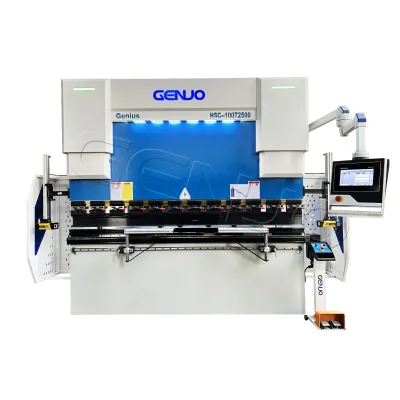
The observed product listings indicate a wide range of models, from the Wc67y/K series to the WE67K-40T1600, each serving different tonnage and bed length requirements. While the core keyword focuses on the hydraulic system, the actual machine capabilities vary significantly based on the control system, such as the Delem Da-66t or E21 controllers, and the servo motor brands like Yaskawa or Estun. Buyers must align their specific material thickness and bending angle requirements with the correct model specification rather than assuming all listed units possess identical performance metrics.
Product Scope and Observed Listing Signals
The market listings reveal that these machines are designed for processing a diverse array of materials, including stainless steel, carbon steel, alloys, aluminum, and copper. The observed specifications confirm that the equipment is suitable for both free forging and shear steel plate functions, indicating a versatile scope that extends beyond simple bending to include various metal forming processes. Buyers should carefully review the "Suitable for" attributes to ensure the machine's tonnage and bed length match their specific production volume and material mix.
Listing signals also highlight significant variations in customization options and warranty terms, ranging from one-year to two-year coverage periods. The data shows that while some units come with standard export packaging, others utilize wooden cases or pallets, which impacts shipping costs and on-site setup requirements. Procurement teams must verify the exact packing method and customization availability to avoid unexpected logistical delays or additional costs associated with modifying the machine for specific factory floor layouts.
Technical Specifications to Verify
Verification of the hydraulic system is paramount, as the supplied facts explicitly mention Bosch-Rexroth components alongside other brands like Sunny oil pumps. Buyers must confirm that the hydraulic system integrates seamlessly with the servo motor and drive, such as Yaskawa or Inovance, to ensure synchronized axis movement and precise backgauge positioning. The presence of a laser protection system and specific waterproof ratings, such as IPX-5, further dictates the machine's suitability for different environmental conditions within the manufacturing facility.
Control system selection is another critical technical variable, with listings showing options like the Delem 53tx, Tp10s, and E21 controllers. Each controller offers different programming interfaces and axis capabilities, such as the X and R axes for the backgauge, which directly influence the machine's operational flexibility. Buyers should request a demonstration of the specific controller interface to ensure it meets their operator's skill level and supports the necessary programming complexity for their intended production tasks.
Compliance and Safety Documentation
Safety compliance is a non-negotiable aspect of procurement, with the supplied data confirming CE certification as a standard requirement for these machines. The listings also reference ISO 9001:2015 standards, indicating that the manufacturing process adheres to international quality management protocols. Buyers must request the full technical file and conformity declaration to verify that the specific unit they are purchasing has undergone the necessary testing and inspection procedures to meet these regulatory standards.
In addition to general certifications, specific safety features like laser protection systems are highlighted in the product attributes. These systems are essential for preventing operator injury during the bending cycle and must be fully functional and compliant with local machine safety regulations. Procurement teams should ensure that the safety documentation includes detailed instructions for the installation and maintenance of these protective devices to guarantee ongoing operational safety and regulatory adherence.
Cost Drivers and Commercial Terms
The observed price range of 3,500 to 98,000 USD reflects significant variations in machine capacity, control system sophistication, and component quality. Higher-priced units typically feature premium German hydraulic systems, advanced servo motors, and more robust structural designs, which justify the investment through increased precision and longevity. Buyers must analyze the total cost of ownership, considering that lower initial costs may result in higher maintenance expenses or reduced operational efficiency over the machine's lifecycle.
Commercial terms such as the 25-working-day delivery time and one-unit minimum order quantity (MOQ) are standard but require careful planning. The lead time can be influenced by customization requests and the specific configuration of the hydraulic and electrical components. Procurement teams should negotiate clear delivery schedules and payment terms that account for potential delays in the supply chain, ensuring that the machine arrives in time to meet production targets without incurring penalty costs.
Supplier Qualification and Quality Control
Supplier qualification should focus on the manufacturer's ability to source genuine components from reputable brands like Siemens, Schneider, and Bosch-Rexroth. The supplied facts indicate that these high-quality components are integral to the machine's performance, and any deviation from these specifications could indicate a counterfeit or substandard product. Buyers must request proof of component sourcing and verify the authenticity of the brand labels on the main motor, electrical components, and hydraulic systems before finalizing the purchase.
Quality control processes must be rigorously evaluated, with a focus on the factory's adherence to ISO 9001 standards and their internal testing protocols. The presence of a warranty, ranging from one to two years, suggests a level of confidence in the product's durability, but buyers should clarify the specific terms and conditions of this coverage. It is essential to understand what is included in the warranty, such as labor, parts, and on-site support, to ensure that any potential defects are addressed promptly and efficiently.
Long-Term Procurement Checks
Long-term procurement success depends on the availability of spare parts and the supplier's commitment to after-sales support. The use of specific brands like Givi for grating scales and Estun for servo motors means that replacement parts must be readily available to minimize downtime. Buyers should establish a relationship with the supplier to ensure a steady supply of critical components and verify the lead times for these parts to maintain continuous production operations.
Training and technical support are also critical factors for the long-term viability of the investment. The complexity of the CNC control systems and hydraulic configurations requires skilled operators who can maximize the machine's potential. Procurement teams should negotiate comprehensive training programs and ongoing technical assistance as part of the purchase agreement to ensure that the workforce is fully equipped to operate and maintain the equipment effectively over its entire service life.
FAQs
What control systems are available for this CNC press brake?
The machine supports multiple control options including the Delem Da-66t, T8, Tp10s, and E21 controllers. These systems manage the hydraulic and servo axes to ensure precise bending operations. Buyers can select the specific controller model based on their operational preferences and software familiarity requirements.
Which hydraulic components are used in the Rexroth system?
The hydraulic system utilizes Bosch-Rexroth components from Germany to ensure reliability and performance. It is complemented by Sunny oil pumps and Italy Givi grating scales. This combination provides stable pressure control and accurate positioning for various metal sheet bending applications across different material thicknesses.
Can the machine handle different materials like aluminum and stainless steel?
Yes, the press brake is suitable for processing stainless steel, carbon steel, alloy, aluminum, copper, rubber, and plastic. The robust construction and adjustable parameters allow for versatile material handling. This makes the equipment ideal for workshops requiring flexibility in bending various industrial metal and non-metal sheets.
What is the standard delivery time for these machines?
The standard delivery time is 25 working days from order confirmation. Machines are packed in standard export packages or wooden cases to ensure safe transit. This lead time applies to new condition units, allowing buyers to plan their production schedules and installation timelines effectively.
What certifications does the CNC press brake hold?
The equipment holds CE certification and ISO 9001 quality management certification. These standards confirm compliance with European safety regulations and consistent manufacturing quality. Buyers can rely on these certifications for regulatory approval in international markets and assurance of the machine's structural and operational integrity.
What warranty is provided for the new press brake units?
The machine comes with a warranty period of either one year or two years, depending on the specific configuration. This coverage protects against manufacturing defects and ensures operational support. Buyers should verify the exact warranty terms for their selected model to understand the scope of after-sales service.